
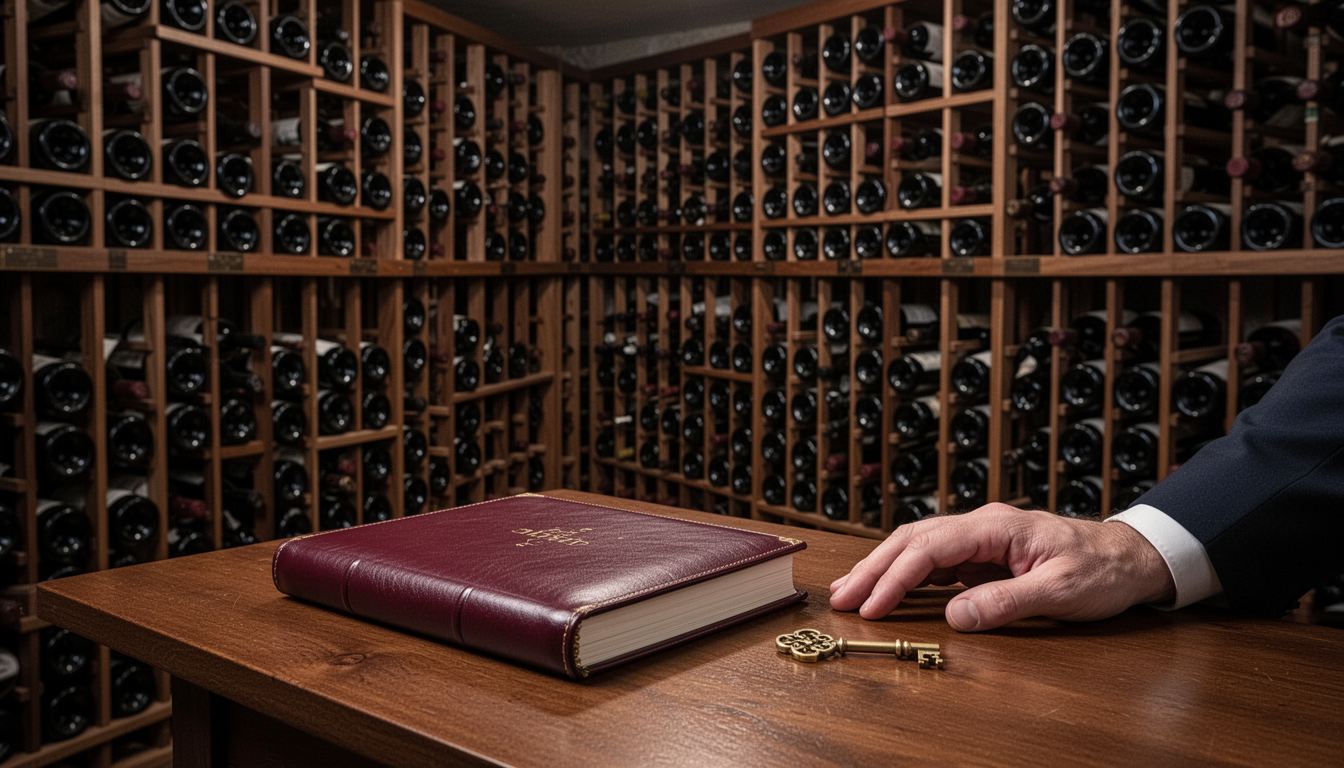
Wine consignment can be a measured way to sell wine collection holdings while preserving the records, custody, and context that make fine bottles valuable. Instead of transferring ownership immediately, you place selected bottles with a trusted selling partner that presents them to potential buyers, agrees on terms with you, and completes the transaction only under the arrangement you approved.
For a Boston or New England collector, the right process is less about listing bottles quickly and more about protecting provenance at every handoff. A careful consignment plan connects inventory review, valuation, secure storage, buyer matching, and fulfillment without treating a serious cellar like ordinary online resale merchandise.
Start with a documented collection review
Begin with a complete inventory rather than a short list of the bottles you think will attract the most attention. Record producer, cuvée, vintage, format, quantity, fill level, label and capsule condition, purchase history, storage history, and any receipts or transfer records available. Photographs taken before the bottles move create a useful condition record and help resolve questions later.
This is also the point to separate bottles that are ready for sale from bottles that need more research. A collection management review can identify duplicate holdings, incomplete provenance, mixed cases, and wines better suited to continued aging. International Wine Vault’s wine collection management service is a natural reference for building that record before you discuss terms.
Understand valuation before accepting an offer
Wine appraisal is not the same as a guaranteed sale price. Value depends on provenance, condition, market timing, format, buyer demand, and the channel used to sell. Ask how a proposed estimate was developed, whether comparable sales are current, and which deductions could affect your net proceeds.
Keep the appraisal, inventory, and consignment agreement aligned. If a bottle has an uncertain history or a condition issue, disclose it before marketing rather than allowing a surprise to weaken buyer confidence. A transparent record protects both sides and gives you a more realistic basis for deciding which bottles belong in the sale.
Read the consignment terms line by line
A sound agreement should define the bottles covered, ownership, asking or reserve prices, commission, other charges, payment timing, insurance responsibilities, storage arrangements, and the process for changing or ending the listing. It should also explain who can approve discounts, how unsold wine is returned, and what happens if a bottle is damaged or a buyer fails to complete payment.
- Confirm when custody changes and where the bottles will be held.
- Ask whether you can approve the final buyer price before acceptance.
- Clarify who pays for photography, marketing, packing, transport, and delivery.
- Set a reporting schedule for offers, sales, balances, and unsold bottles.
Do not assume a standard policy covers consigned wine. Ask for the applicable coverage in writing and have your own insurer or adviser review any gaps, exclusions, or valuation limits.
Protect custody and condition during the sale
Once bottles leave your cellar, storage becomes part of the sale strategy. Temperature swings, excess light, vibration, poor access controls, or undocumented handling can affect condition and undermine provenance. Use secure wine storage with stable conditions, controlled access, inventory updates, and a clear chain of custody.
Good wine storage management keeps the consignment record current as bottles are received, inspected, moved, reserved, sold, or returned. That operational discipline gives you a reliable view of both physical custody and transaction status, especially when a collection is divided among several buyers or held through a long selling period.
For collectors near Boston, a Framingham, Massachusetts vault can also simplify inspection, retrieval, and fulfillment without exposing bottles to unnecessary seasonal travel. Review the available secure wine storage options and ask how movements are recorded from intake through release.
Plan the buyer handoff before the bottle sells
Marketing is only one stage of wine consignment. Before accepting a buyer, establish how payment, age verification where applicable, delivery, taxes, and jurisdiction-specific requirements will be handled. Rules can vary by state and transaction structure, so avoid relying on a generic shipping promise.
For a collection moving between New England and another market, coordinate professional handling before the sale closes. A sister provider for specialized wine transport may be relevant for the physical move, but it is not the consignor, buyer, or custodian. Confirm the exact carrier, insurance, timing, and receiving party in the written plan.
Choose the right selling path
Consignment can preserve upside while asking you to wait for a buyer and accept commissions and service terms. An outright sale may provide faster certainty but usually transfers pricing risk and future upside to the purchaser. A wine broker may advise on buyers or negotiations without providing the same custody and fulfillment structure, so define each party’s role before you sign.
Finally, compare the complete economics rather than a headline percentage. Review storage, handling, appraisal, transport, commission, insurance, and payment timing together. International Wine Vault’s service and storage pricing options can help frame that comparison. The best decision is the one that matches your timeline, preserves your records, and leaves you confident about where every bottle is until the transaction is complete.